Manufacturing Trends for 2026: Overcoming Challenges with AI, Sustainability, and Innovation

Manufacturing Trends 2025: Navigating AI, Sustainability & Innovation Challenges
As the manufacturing industry moves into 2026, businesses must adapt to evolving technologies, sustainability demands, and economic uncertainties. Companies that embrace digital transformation, artificial intelligence (AI), and innovative production methods will gain a competitive edge in an increasingly complex market.

Key Trends Shaping Manufacturing in 2026

1. Artificial Intelligence and Automation
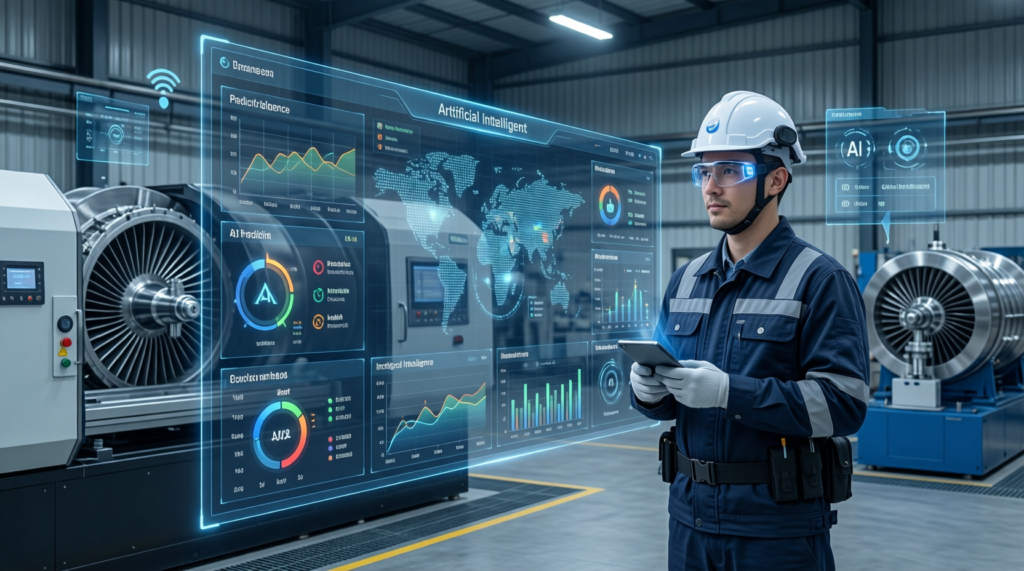
AI continues to revolutionize manufacturing by improving efficiency, reducing costs, and enabling predictive maintenance. Smart automation enhances production lines, minimizes downtime, and optimizes resource allocation.
2. Sustainable Manufacturing and Circular Economy
Environmental responsibility is no longer optional. Companies are focusing on reducing waste, adopting renewable energy, and implementing circular economy principles—where materials are reused and recycled to minimize environmental impact.
3. Resilient and Agile Supply Chains
Global disruptions have highlighted the importance of flexible supply chains. Manufacturers are investing in digital solutions to improve visibility, manage risks, and ensure continuity even during unexpected challenges.
4.Advanced Technologies Driving Innovation
Emerging technologies such as the Industrial Internet of Things (IIoT), 5G, and digital twins are reshaping production processes. These innovations enhance real-time monitoring, improve efficiency, and drive smarter decision-making.
5. Workforce Transformation and Skills Development
As automation expands, the demand for skilled workers in digital manufacturing grows. Companies must invest in workforce training programs to ensure employees can leverage new technologies effectively.

Navigating Challenges for Future Success

To remain competitive, manufacturers must prioritize agility, innovation, and sustainability. Those who embrace AI-driven efficiency, environmentally friendly practices, and digital transformation will be better equipped to handle industry shifts and long-term growth.
Manufacturing in 2026 will be shaped by technological advancements, sustainable initiatives, and supply chain adaptability. Organizations that proactively adopt these trends will position themselves for success in an increasingly dynamic and competitive landscape.

FAQs – Manufacturing Trends for 2026: Overcoming Challenges with AI, Sustainability, and Innovation

The key manufacturing trends for 2026 include widespread adoption of Artificial Intelligence (AI), sustainable manufacturing practices, resilient supply chains, advanced automation, Industrial IoT (IIoT), digital twins, workforce transformation, and data-driven decision-making. These trends are reshaping production models, operational efficiency, and customer engagement.

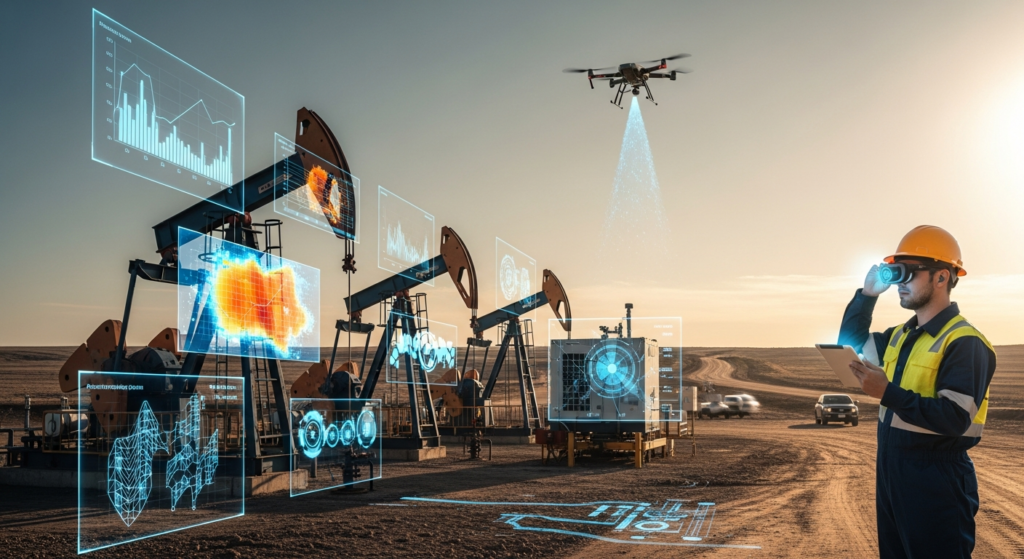
AI is transforming manufacturing by enabling predictive maintenance, intelligent automation, demand forecasting, quality inspection, production optimization, and real-time decision support. It helps manufacturers reduce downtime, improve yield, enhance product quality, and achieve operational excellence.

Sustainability is critical due to increasing regulatory requirements, rising energy costs, ESG mandates, and customer expectations. Manufacturers must reduce carbon footprints, optimize resource consumption, adopt circular economy models, and ensure compliance with environmental standards to remain competitive and future-ready.

Key challenges include:

  • Rising operational costs

  • Workforce skill shortages

  • Sustainability regulations

  • Supply chain disruptions

  • Cybersecurity risks

  • Technology integration complexity

Manufacturers should start by:

  • Assessing digital maturity

  • Identifying high-impact AI use cases

  • Modernizing ERP, MES & FSM platforms

  • Investing in data strategy

  • Partnering with transformation specialists like Xitricon

Xitricon delivers end-to-end manufacturing transformation services across:

  • Industrial AI strategy

  • Smart factory enablement

  • ERP & IFS Cloud implementations

  • Sustainability-driven digital initiatives

  • Intelligent field service modernization

Key outcomes include:

  • Reduced operational costs

  • Increased production efficiency

  • Improved asset reliability

  • Enhanced sustainability compliance

  • Better customer satisfaction

  • Faster innovation cycles

2026 marks the convergence of AI maturity, sustainability mandates, supply chain volatility, and workforce evolution, making digital transformation essential for survival, competitiveness, and long-term growth.

Are You Ready to Drive Your Business Forward?

Discover how we, at Xitricon, a leading consulting, technology, and digital transformation services firm, can be your trusted strategic partner on the path to digital transformation success. Our experts are always ready to offer a comprehensive suite of solutions to accelerate your business and drive growth.

Ross Creed

Senior IFS Applications Consultant (FSM & PSO)

A seasoned Senior Applications Consultant with 12 years of experience in various roles. As a business-focused IT professional, boasts a remarkable track record in successful software solution implementations through adept project management, business analysis, and seamless delivery. His proficiency lies in IFS FSM & PSO software design, configuration, and deployment, making him the go-to authority in the field.