Agentic AI Meets IoT: The Shift Toward Fully Autonomous Environments

Agentic AI Meets IoT: The Shift Toward Fully Autonomous Environments

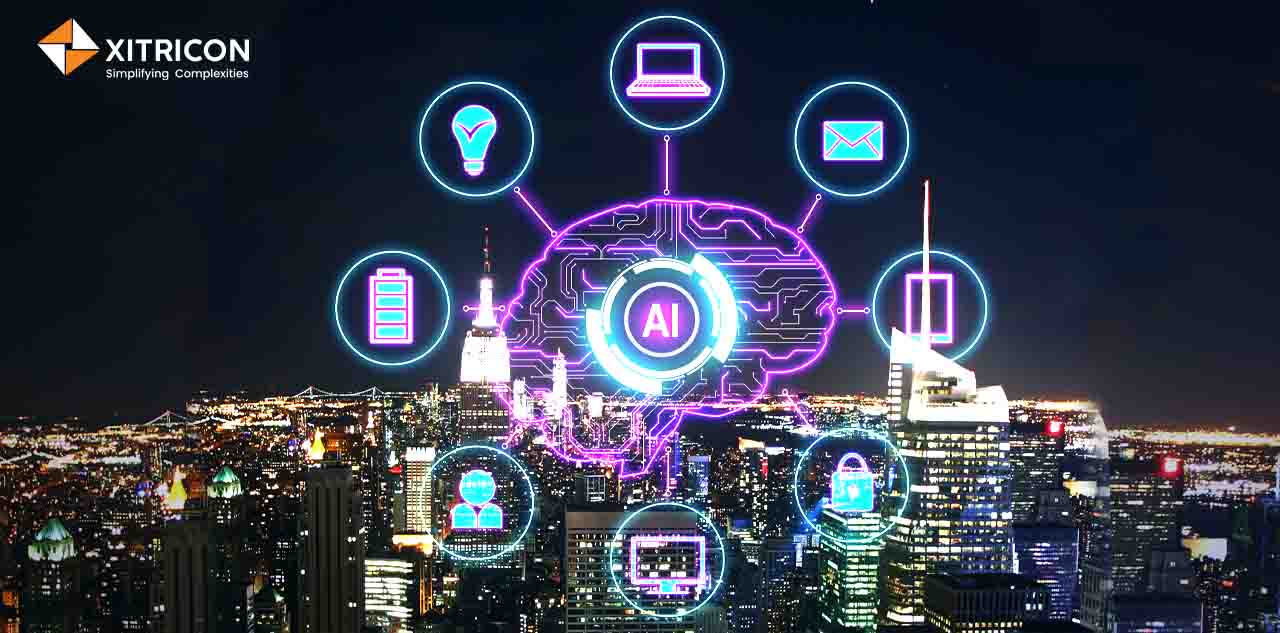
The Internet of Things (IoT) has already transformed the way businesses manage operations, assets, and customer experiences. But the rise of Agentic AI marks a decisive turning point. Instead of simply collecting data and triggering predefined actions, IoT systems can now reason, plan, and act autonomously—opening the door to a new generation of intelligent, self-optimizing environments.

This shift is not just an upgrade. It is a complete redesign of how connected systems operate.

What Is Agentic AI?

Agentic AI refers to intelligent systems that can independently analyse environments, make decisions, and take proactive actions to achieve goals. Unlike traditional AI, which requires human-defined triggers, Agentic AI operates with autonomy, dynamic reasoning, and task-oriented behaviour.

In the context of IoT, agentic intelligence turns devices from passive sensors into active collaborators.

Why Agentic AI Matters for IoT

1. Autonomous Decision-Making

Instead of requiring manual oversight, IoT networks enhanced with agentic AI can identify patterns, prioritise actions, and self-correct. For example, a smart building system can detect peak consumption, predict upcoming load variations, and optimise energy distribution without human intervention.

2. Predictive and Preventive Operations

Agentic AI strengthens predictive maintenance by going beyond anomaly detection. It can:

  • Evaluate risk levels
  • Recommend repair strategies
  • Trigger adjustments in connected hardware
  • Schedule tasks with minimal disruption

This results in lower downtime and longer asset life cycles—essential for sectors such as manufacturing and logistics.

3. Real-Time Adaptability

Agentic AI enables IoT devices to dynamically respond to changing conditions. Whether it’s adjusting HVAC systems, rerouting autonomous vehicles, or balancing loads in an EV fleet, the system continuously learns and adapts to maintain peak performance.

4. Reduced Human Workload

As systems become more independent, human teams can focus on strategic activities. Agentic IoT reduces operational noise, eliminates routine supervision, and provides decision-ready insights.

How Agentic AI Is Reshaping Key Industries
Smart Cities

Traffic optimisation, waste management, environmental monitoring, and emergency response become more intelligent with agentic systems that coordinate resources autonomously.

Healthcare

Agentic IoT devices can track vitals, anticipate emergencies, and communicate with medical systems to ensure timely intervention.

Industrial Automation

Factories gain self-regulating production lines, equipment with autonomous maintenance capabilities, and real-time resource optimisation.

Electric Vehicle Fleets

Agentic AI can forecast charging needs, plan routes, mitigate battery strain, and optimise fleet utilisation—creating a more resilient and cost-efficient EV infrastructure.

The New Architecture: Agentic IoT Ecosystems

Next-generation IoT platforms are being built around:

  • Multi-agent collaboration
  • Edge intelligence
  • Self-healing systems
  • Goal-oriented automation
  • Continuous contextual learning

This architecture creates environments where devices communicate seamlessly, make distributed decisions, and collectively work toward business objectives.

Business Advantages of Agentic IoT

Companies adopting these technologies are seeing benefits such as:

  • Lower operational costs
  • Faster decision cycles
  • Improved safety and compliance
  • Higher system reliability
  • Enhanced customer experiences

The competitive gap is widening between organisations using traditional IoT and those embracing intelligent, autonomous architectures.

Preparing for the Agentic AI Era

To take advantage of this shift, organisations should focus on:

  1. Strengthening their data infrastructure
  2. Deploying edge computing for real-time responsiveness
  3. Integrating secure agent-based AI frameworks
  4. Designing workflows around autonomy and adaptability
  5. Uplifting internal skill sets for AI-driven operations

This transition is not merely technical—it requires thoughtful leadership and a proactive strategy.

Conclusion

Agentic AI is rewriting the future of IoT by shifting systems from reactive to proactive, from rule-based to autonomous, and from data-generating to decision-making. As businesses move into a world defined by intelligent automation, those who adopt agentic IoT early will lead innovation, efficiency, and performance across their industries.

The future belongs to organisations that empower their systems to think, act, and evolve.

About Xitricon

Xitricon simplifies complexities by delivering tailored enterprise solutions that address your unique business needs, leveraging cutting-edge technologies, strategic OEM alliances, BPO services, and custom-made software capabilities to position your business for accelerated growth . 

We pride ourselves on our ability to deliver innovative and effective solutions that drive growth and efficiency. Our team of experts collaborates closely with clients to understand their challenges and goals, providing personalized strategies that pave the way for sustainable success. From initial consultation to implementation and beyond, Xitricon is committed to guiding your business through the ever-evolving digital landscape. 

Discover how Xitricon can help your business thrive in the digital age.

Ross Creed

Senior IFS Applications Consultant (FSM & PSO)

A seasoned Senior Applications Consultant with 12 years of experience in various roles. As a business-focused IT professional, boasts a remarkable track record in successful software solution implementations through adept project management, business analysis, and seamless delivery. His proficiency lies in IFS FSM & PSO software design, configuration, and deployment, making him the go-to authority in the field.